Key Takeaways
- Your SBA 7(a) loan interest rate is determined by several factors, including SBA regulations, your lender, and the country’s broader economic state
- The SBA sets interest rate caps in order to keep SBA loans accessible and affordable
- Strengthening your personal and business finances can help you secure a more favorable interest rate
Interest rates on SBA 7(a) loans are not just determined by your underwriter.
In fact, SBA 7(a) loan interest rates are determined by a combination of base rates, SBA regulations, and SBA lenders.
Let’s break down the factors contributing to your SBA 7(a) loan interest rate and explore your options for potentially securing a more favorable rate.
In fact, SBA 7(a) loan interest rates are determined by a combination of base rates, SBA regulations, and SBA lenders.
Let’s break down the factors contributing to your SBA 7(a) loan interest rate and explore your options for potentially securing a more favorable rate.
Base Rate
Your SBA loan interest rate is first determined by a base rate. This base rate can be 1 of 2 options, either the Wall Street Journal (WSJ) Prime Rate or the SBA Optional Peg Rate.
The WSJ Prime Rate is ultimately a product of the country’s current economic state. In order to determine this rate, the Wall Street Journal aggregates and averages the base rates from the 10 largest banks in the country. This rate is then published in the WSJ on a regular basis.
The SBA Optional Peg Rate is set by the SBA, determined based on how much it costs the government to borrow money for similar loan lengths. Therefore, this rate is also ultimately a product of factors like inflation, the federal funds rate, and more.
SBA lenders and facilitators choose one of these base rates to use. SBA 7(a) loans provided by Northeast Bank through NEWITY are based on the WSJ Prime Rate.
The WSJ Prime Rate is ultimately a product of the country’s current economic state. In order to determine this rate, the Wall Street Journal aggregates and averages the base rates from the 10 largest banks in the country. This rate is then published in the WSJ on a regular basis.
The SBA Optional Peg Rate is set by the SBA, determined based on how much it costs the government to borrow money for similar loan lengths. Therefore, this rate is also ultimately a product of factors like inflation, the federal funds rate, and more.
SBA lenders and facilitators choose one of these base rates to use. SBA 7(a) loans provided by Northeast Bank through NEWITY are based on the WSJ Prime Rate.
Lender Rate
In addition to an economy-informed base rate, your SBA 7(a) lender will then add an additional rate on top. This is determined based on your lender’s assessment of your overall financial health.
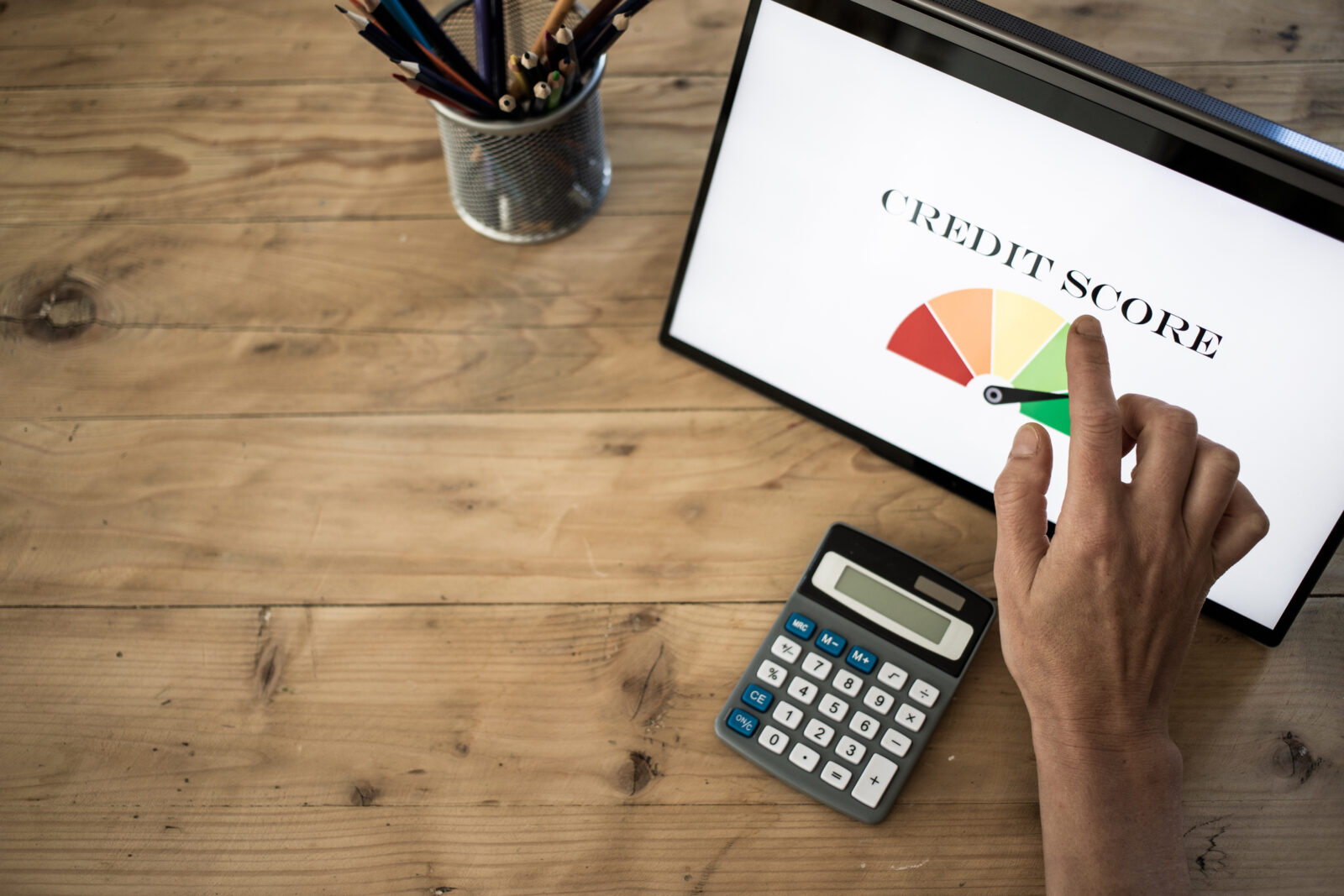
Lenders will take into account your SBSS score, which is essentially your business’s credit score. This score reflects a variety of factors contributing to your financial portfolio, including personal credit scores of the business owner(s), business age, revenue, and more.
Lenders will take into account your SBSS score, which is essentially your business’s credit score. This score reflects a variety of factors contributing to your financial portfolio, including personal credit scores of the business owner(s), business age, revenue, and more.
SBA Interest Rate Caps
The first factor to note is that the SBA sets maximum caps for lender-added interest rates for all loans, ensuring SBA loans maintain their trademark accessibility and affordability.
These interest rate caps are meant to limit the additional interest rates tacked onto the base rate by lenders.
Here are the SBA’s current lander-added rate caps:
These interest rate caps are meant to limit the additional interest rates tacked onto the base rate by lenders.
Here are the SBA’s current lander-added rate caps:
| Loan Amount | Maximum Per SBA | SBA 7(a) via NEWITY* |
| $50,000 or less | Base rate plus 6.5% | WSJ Prime + 2.75% – 3.75% |
| $50,001 to $250,000 | Base rate plus 6.0% | WSJ Prime + 2.75% – 3.75% |
| $250,001 to $350,000 | Base rate plus 4.5% | WSJ Prime + 2.75% – 3.75% |
How Can You Improve Your SBA 7(a) Loan Interest Rate?
While SBA loans already offer competitive rates, financially savvy borrowers can take steps to qualify for even better terms.
Here’s how to position yourself for the most favorable interest rate possible:
Here’s how to position yourself for the most favorable interest rate possible:
1. Strengthen Your Personal Credit Profile
Even though SBA lenders focus on your business’s financial portfolio as a whole, your personal FICO score still matters. A higher score signals lower risk to lenders.
Pay down personal debt, avoid late payments, and check your credit report for errors before applying.
Pay down personal debt, avoid late payments, and check your credit report for errors before applying.
2. Boost Your Business's Financial Health
Lenders look closely at your business’s revenue, cash flow, and profitability. A strong financial foundation can help you qualify for a lower rate.
Prepare clean, up-to-date financial statements and show consistent income trends.
Prepare clean, up-to-date financial statements and show consistent income trends.
3. Improve Your Debt-To-Income Ratio
The amount of existing debt you currently hold makes a difference in how you qualify.
Work on expanding your revenue streams where you can or pay off existing debt as much as possible to improve this ratio.
Work on expanding your revenue streams where you can or pay off existing debt as much as possible to improve this ratio.
At NEWITY, our team strives to take the struggle out of securing small business funding. Our streamlined application process lets you discover how much you could qualify for in an SBA 7(a) loan in just 10 minutes!
Apply now and take the next step in growing your small business.
Apply now and take the next step in growing your small business.