How to Finance Your Slow Season: An Industry-by-Industry Guide
Every seasonal business has an annual cash flow gap.
Term loans can help bridge those gaps when used strategically. Financing works best when it’s sized to that gap and timed before it opens, so you can keep your team, stock up for your next peak, and make payments without draining your account.
The cause of that gap is different in every industry, and so is the right way to finance it.
Below, you’ll find why ten common industries slow down, what the cash squeeze looks like in each, and how a working capital loan can help, followed by the math to make sure you can carry the payments through your slow months.
Term loans can help bridge those gaps when used strategically. Financing works best when it’s sized to that gap and timed before it opens, so you can keep your team, stock up for your next peak, and make payments without draining your account.
The cause of that gap is different in every industry, and so is the right way to finance it.
Below, you’ll find why ten common industries slow down, what the cash squeeze looks like in each, and how a working capital loan can help, followed by the math to make sure you can carry the payments through your slow months.
How can financing help a seasonal business?
Financing helps a seasonal business by covering the expenses that continue during slow months — payroll, rent, insurance, inventory — so that cash from your busy season doesn’t have to stretch across the whole year. It also lets you invest ahead of your next peak instead of waiting until revenue returns.
For most seasonal businesses, financing does one of four jobs:
For most seasonal businesses, financing does one of four jobs:
- Bridge the gap: cover payroll and operating costs while revenue is down, so you don’t lose trained staff or fall behind on bills.
- Stock up for the peak: buy inventory and materials before your busy season starts, when you need them on the shelf or on the job.
- Fund off-season revenue: pay for the marketing, staffing, and service launches that bring in income during slow months.
- Lower your fixed costs: refinance eligible higher-cost debt, such as short-term loans or lines of credit, into a longer-term loan with a lower monthly payment before the slow season starts.
How can financing help in my industry?
Bridging a slow construction season
The cash squeeze: Crew wages, insurance, and overhead keep running while starts slow down, and payments on fall jobs may still be working through the receivables cycle. Then spring arrives and you need to pay for materials and crews before the first progress payment comes in.
How financing helps: – Keep your core crew on payroll through winter, so you aren’t rehiring and retraining in April. – Buy materials ahead of spring starts, when you can lock in pricing and avoid supply delays. – Bridge the time between paying for labor and materials and receiving progress payments on spring jobs.
Planning tip: Apply in the fall while your recent revenue reflects your busy season and require deposits on winter-signed spring contracts.
How financing helps: – Keep your core crew on payroll through winter, so you aren’t rehiring and retraining in April. – Buy materials ahead of spring starts, when you can lock in pricing and avoid supply delays. – Bridge the time between paying for labor and materials and receiving progress payments on spring jobs.
Planning tip: Apply in the fall while your recent revenue reflects your busy season and require deposits on winter-signed spring contracts.
How to cover HVAC shoulder season?
The cash squeeze: Technician payroll and truck costs stay the same while call volume drops. Then summer demand hits all at once, and you need parts and units in stock before it does.
How financing helps: Stock parts and units ahead of summer, so you can take emergency calls the day they come in. – Cover technician payroll through the shoulder months instead of cutting hours and losing people to competitors. – Fund a tune-up or maintenance-agreement campaign that brings in recurring revenue during the slow stretch.
Planning tip: Maintenance agreements turn shoulder months into scheduled work. Financing the marketing push to sell them can pay for itself in steadier revenue.
How financing helps: Stock parts and units ahead of summer, so you can take emergency calls the day they come in. – Cover technician payroll through the shoulder months instead of cutting hours and losing people to competitors. – Fund a tune-up or maintenance-agreement campaign that brings in recurring revenue during the slow stretch.
Planning tip: Maintenance agreements turn shoulder months into scheduled work. Financing the marketing push to sell them can pay for itself in steadier revenue.
How to finance a landscaping business through the winter
The cash squeeze: Insurance, storage, and any year-round staff still cost money from November through March, while spring requires paying crews and buying materials before the first invoices are paid.
How financing helps: Keep your best crew leads on payroll over winter, so you start spring with experienced people. – Buy spring materials — mulch, plants, seed, hardscape supplies — before the season opens. – Fund marketing for early-season contracts and prepay discounts, which bring cash in before spring.
Planning tip: Collect all outstanding receivables before the season ends, and ask your insurer whether premiums can be spread over more months.
How financing helps: Keep your best crew leads on payroll over winter, so you start spring with experienced people. – Buy spring materials — mulch, plants, seed, hardscape supplies — before the season opens. – Fund marketing for early-season contracts and prepay discounts, which bring cash in before spring.
Planning tip: Collect all outstanding receivables before the season ends, and ask your insurer whether premiums can be spread over more months.
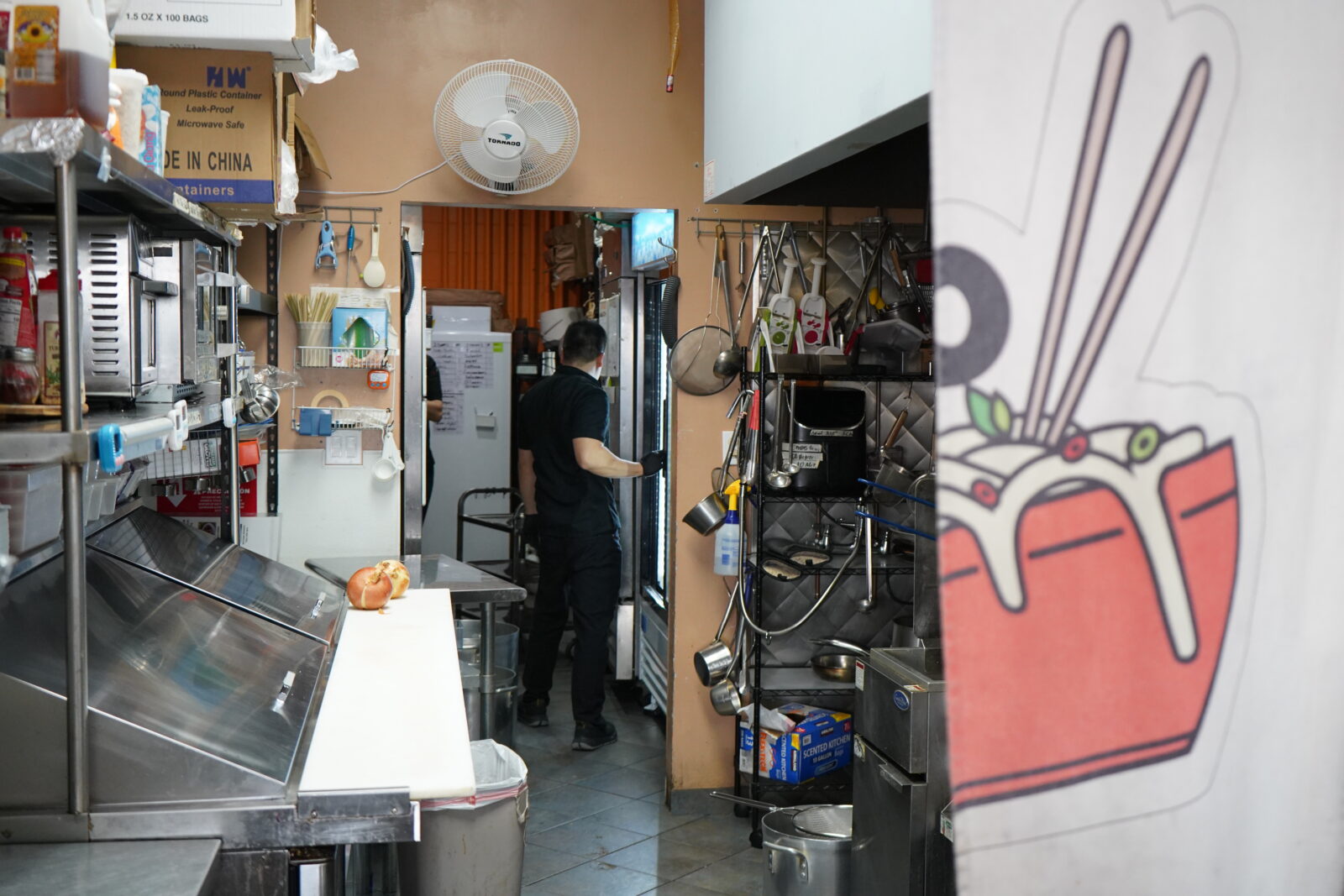
Getting through slow restaurant months
The cash squeeze: Rent, labor, and minimum food orders don’t drop with traffic, so even a few slow weeks cut deep into margins.
How financing helps: Cover rent and payroll through the post-holiday dip, so you keep your kitchen team intact for spring. – Fund catering, private events, or delivery partnerships that bring in revenue when the dining room is quiet. – Refinance higher-cost short-term debt into a lower monthly payment before the slow months hit.
Planning tip: Tighten food orders in January and run promotions aimed at regulars, who are the most likely to come back during a slow stretch.
How financing helps: Cover rent and payroll through the post-holiday dip, so you keep your kitchen team intact for spring. – Fund catering, private events, or delivery partnerships that bring in revenue when the dining room is quiet. – Refinance higher-cost short-term debt into a lower monthly payment before the slow months hit.
Planning tip: Tighten food orders in January and run promotions aimed at regulars, who are the most likely to come back during a slow stretch.
Bridging cash flow during hotel off-season
Hotels and other lodging businesses hit their off-season when leisure travel to their market drops — winter for beach and summer destinations, and shoulder months for many others. Occupancy falls, but mortgage or lease payments, staffing, and upkeep continue.
The cash squeeze: Fixed costs are high and nearly constant, while revenue can drop sharply for several months.
How financing helps: Cover payroll and operating costs during low-occupancy months, so you can retain trained front-desk and housekeeping staff. – Fund group sales and event marketing to fill midweek and off-season rooms. – Restock supplies ahead of peak season.
Planning tip: Build your reserve from peak-month revenue and match your financing to the length of your off-season, not a single slow month.
The cash squeeze: Fixed costs are high and nearly constant, while revenue can drop sharply for several months.
How financing helps: Cover payroll and operating costs during low-occupancy months, so you can retain trained front-desk and housekeeping staff. – Fund group sales and event marketing to fill midweek and off-season rooms. – Restock supplies ahead of peak season.
Planning tip: Build your reserve from peak-month revenue and match your financing to the length of your off-season, not a single slow month.
Getting your retail business through post-holidays slow down
Retail slows in January and February because holiday shopping pulls spending forward, customers return gifts, and markdowns cut margins on what does sell.
The cash squeeze: You’ve just paid for holiday inventory, January sales are thin, and you need to buy spring merchandise before revenue recovers.
How financing helps: Buy spring and summer inventory on schedule, without waiting for slow-month sales to fund it. – Cover rent and staff through the first quarter. – Pay off higher-cost inventory financing or credit used for the holiday push.
Planning tip: Order lighter for the first quarter and clear holiday stock quickly, so financing goes toward new inventory, not old.
The cash squeeze: You’ve just paid for holiday inventory, January sales are thin, and you need to buy spring merchandise before revenue recovers.
How financing helps: Buy spring and summer inventory on schedule, without waiting for slow-month sales to fund it. – Cover rent and staff through the first quarter. – Pay off higher-cost inventory financing or credit used for the holiday push.
Planning tip: Order lighter for the first quarter and clear holiday stock quickly, so financing goes toward new inventory, not old.
How do I make sure I can afford loan payments during my slow season?
You can afford loan payments during your slow season if you know your slow-season gap in advance and set aside enough from your busy months to cover it.
Most term loans, including SBA 7(a) loans and NEWITY Growth Term Loans (GTL), have a fixed monthly payment year-round, so your plan must account for months when revenue is down.
Step 1: Estimate your monthly payment. Use your loan amount, rate, and term in any amortization calculator. Hypothetical example: $150,000 at an 11% interest rate over 10 years is about $2,066 a month.
Step 2: Find your slow-month cash flow. Use revenue minus operating expenses in your slowest months, before any loan payment. Example: a restaurant runs about $500 short each month from January through March and earns about $4,500 a month the other nine months.
Step 3: Calculate your slow-season gap.
Slow-season gap = (monthly loan payment − slow-month cash flow) × number of slow months
Example: ($2,066 − (−$500)) × 3 = about $7,700
Step 4: Set your busy-season reserve.
Monthly reserve = slow-season gap ÷ number of busy months
Example: $7,700 ÷ 9 = about $855 a month, leaving about $1,580 a month after the loan payment and the reserve.
Step 5: Check the full year. Lenders often look at the debt service coverage ratio (DSCR): annual cash flow available for debt payments divided by annual loan payments. Above 1.0 means the business covers its payments over the year.
Example: $39,000 ÷ $24,795 = about 1.57.
When loans help your business scale, this fuels additional revenue which helps cover future loan payments.
Example: if busy-month cash flow rises 10%, from $4,500 to $4,950, annual cash flow increases about $4,050, enough to cover roughly half of the slow-season gap. Build your reserve on today’s numbers and treat growth as a cushion.
Most term loans, including SBA 7(a) loans and NEWITY Growth Term Loans (GTL), have a fixed monthly payment year-round, so your plan must account for months when revenue is down.
Step 1: Estimate your monthly payment. Use your loan amount, rate, and term in any amortization calculator. Hypothetical example: $150,000 at an 11% interest rate over 10 years is about $2,066 a month.
Step 2: Find your slow-month cash flow. Use revenue minus operating expenses in your slowest months, before any loan payment. Example: a restaurant runs about $500 short each month from January through March and earns about $4,500 a month the other nine months.
Step 3: Calculate your slow-season gap.
Slow-season gap = (monthly loan payment − slow-month cash flow) × number of slow months
Example: ($2,066 − (−$500)) × 3 = about $7,700
Step 4: Set your busy-season reserve.
Monthly reserve = slow-season gap ÷ number of busy months
Example: $7,700 ÷ 9 = about $855 a month, leaving about $1,580 a month after the loan payment and the reserve.
Step 5: Check the full year. Lenders often look at the debt service coverage ratio (DSCR): annual cash flow available for debt payments divided by annual loan payments. Above 1.0 means the business covers its payments over the year.
Example: $39,000 ÷ $24,795 = about 1.57.
When loans help your business scale, this fuels additional revenue which helps cover future loan payments.
Example: if busy-month cash flow rises 10%, from $4,500 to $4,950, annual cash flow increases about $4,050, enough to cover roughly half of the slow-season gap. Build your reserve on today’s numbers and treat growth as a cushion.
Can I pay the loan down during my busy season?
Extra principal payments typically shorten the loan and reduce total interest rather than lowering your required monthly payment. Fund your slow-season reserve first, then put extra cash toward the principal.
Example: a one-time $10,000 extra payment at the end of year one on the loan above cuts about 12 months off the term and saves about $16,000 in interest.
Example: a one-time $10,000 extra payment at the end of year one on the loan above cuts about 12 months off the term and saves about $16,000 in interest.
When should a seasonal business apply for financing?
The best time to apply is during or just after your busy season, before the slowdown starts. Your recent financials reflect your strongest months, you have time to compare offers, and the funds are in place before you need them.
Waiting until cash runs short leaves fewer options and less time.
Waiting until cash runs short leaves fewer options and less time.
Industry | Typical Slow Period | Good Time to Apply |
|---|---|---|
Construction (Northern Climates) | Winter | Early to Mid-fall |
HVAC | Spring and fall shoulder seasons | End of heating or cooling peak |
Landscaping | Winter | Late summer to early fall |
Hotels and lodging | Market off-season | Late in peak season |
Restaurants | January-February (or tourist off-season) | Late fall |
Retail | January-February | Q4, before the holiday rush ends |
Dental | September; varies with insurance cycle | Mid-summer |
Tax and accounting | May-summer | March-April |
Wedding and event vendors | Late fall-winter | Late summer |
Salons and personal services | January | November |
Slow periods are typical patterns and vary by region and business. Use your own monthly records to set your timing.
Frequently Asked Questions
What is the best loan for a seasonal business? A working capital loan with a longer repayment term, such as an SBA 7(a) loan or a NEWITY Growth Term Loan (GTL), keeps monthly payments lower and can cover payroll, operating expenses, and inventory through slow months. Some lenders also offer seasonal lines of credit. The right fit depends on how long your slow season lasts and what you need the funds for.
Can I use a business loan to cover payroll during my slow season? Yes. Working capital loans, including SBA 7(a) working capital loans, can generally be used for operating expenses like payroll. Keeping trained staff through the slow season avoids rehiring and training costs when business picks back up.
Can I use financing to buy inventory before my busy season? Yes, in most cases. NEWITY’s SBA 7(a) Working Capital loan covers most inventory and materials, so you can stock up before demand returns. NEWITY does not finance equipment purchases.
Will lenders approve me if my revenue drops every year? A predictable seasonal pattern with strong annual cash flow is not by itself a barrier. Lenders generally review your annual financials, and monthly records showing the pattern repeats help explain it.
How much should I borrow to cover my slow season? Start with your slow-season gap: your monthly shortfall across the slow months, plus any inventory or investments you need before your next peak. Borrow what that plan requires, and confirm your busy months can fund the reserve for the payments.
Can I pay off my loan early with busy-season revenue? Often, yes. SBA’s prepayment fee only applies to 7(a) loans with maturities of 15 years or more, and only when you prepay more than 25% in the first three years. Check your lender’s agreement for any additional terms.
Can I use a business loan to cover payroll during my slow season? Yes. Working capital loans, including SBA 7(a) working capital loans, can generally be used for operating expenses like payroll. Keeping trained staff through the slow season avoids rehiring and training costs when business picks back up.
Can I use financing to buy inventory before my busy season? Yes, in most cases. NEWITY’s SBA 7(a) Working Capital loan covers most inventory and materials, so you can stock up before demand returns. NEWITY does not finance equipment purchases.
Will lenders approve me if my revenue drops every year? A predictable seasonal pattern with strong annual cash flow is not by itself a barrier. Lenders generally review your annual financials, and monthly records showing the pattern repeats help explain it.
How much should I borrow to cover my slow season? Start with your slow-season gap: your monthly shortfall across the slow months, plus any inventory or investments you need before your next peak. Borrow what that plan requires, and confirm your busy months can fund the reserve for the payments.
Can I pay off my loan early with busy-season revenue? Often, yes. SBA’s prepayment fee only applies to 7(a) loans with maturities of 15 years or more, and only when you prepay more than 25% in the first three years. Check your lender’s agreement for any additional terms.
Get ahead of your next slow season
See what your business qualifies for through NEWITY. No hard credit pull, no commitment